Australia
 Cayman Islands
 Dominican Republic
 Hong Kong
 India
 Indonesia
 Ireland
 Jamaica
 New Zealand
 Singapore
 Thailand
 United Kingdom
 United States
 Vietnam

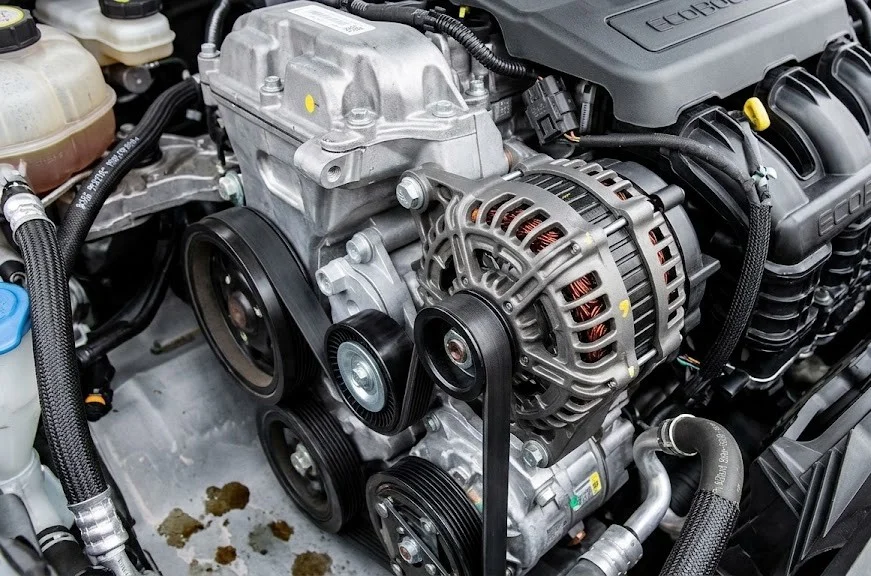
A car alternator produces electricity to charge the battery and power the car’s electrical systems. It is usually located near the front of the engine and connected to a long belt called the serpentine belt. Most alternators have a silver or grey metal body with small openings that help keep the inside cool. Through these openings, you may be able to see copper wires inside. These wires are part of two important components: the stator, which stays in one place, and the rotor, which spins inside the alternator. The rotor is connected to a shaft, which also connects to the pulley. When the engine runs, the belt turns the pulley, causing the rotor to spin and helping the alternator generate electricity.
What Does an Alternator Do?Think of the alternator as your car’s onboard power generator. Once the engine is running, a belt connected to the engine spins the alternator. Inside, that spinning motion creates electricity, which is then sent to the battery and the vehicle’s electrical system. Your battery mainly provides the burst of power needed to crank the engine. After the engine starts, the alternator takes over. It powers components such as the headlights, dashboard, infotainment system, fuel injectors, ignition system, power windows, and climate-control blower. It also replaces the charge the battery lost while starting the car. A healthy alternator keeps the battery charged and prevents the electrical system from draining it while you drive.
How an Alternator Creates ElectricityAn alternator works using magnetism. As the engine runs, the serpentine belt turns a pulley on the front of the alternator. That pulley spins a shaft inside the unit, which rotates a component called the rotor. The rotor acts like an electromagnet. As it spins, its magnetic field moves past a set of stationary copper windings called the stator. This movement induces an electrical current in the stator windings. That current starts out as alternating current, or AC. Your car, however, runs on direct current, or DC. The alternator includes a rectifier that converts AC into DC before sending it to the battery and electrical system.
The basic process looks like this:
The engine turns the serpentine belt.
The belt spins the alternator pulley and rotor.
The rotating rotor creates a moving magnetic field.
The stator windings produce alternating current.
The rectifier changes AC into DC.
The voltage regulator controls the output so the battery and electronics receive a safe, steady charge.
What Are the Main Parts of an Alternator?Your vehicle’s charging system relies on more than just the alternator and battery. Several supporting components work together to keep electricity flowing smoothly throughout the car.
Housing
The alternator’s outer casing is usually made from aluminum and has ventilation openings. Aluminum is commonly used because it is lightweight, durable, and non-magnetic. Clean housing often appears silver or gray.
Pulley
Located at the front of the alternator, the pulley is the visible wheel that the serpentine belt wraps around. As the belt moves, it turns this pulley, which spins the rotor inside the alternator and begins the electricity-generation process.
Rotor
The rotor is the rotating assembly at the center of the alternator. It contains copper windings wrapped around an iron core and is connected to the main shaft. When current flows through it, the rotor creates the magnetic field needed to generate electricity.
Stator
The stator is a group of copper wire coils fixed inside the alternator housing. Unlike the rotor, it does not move. When the rotor’s magnetic field passes through these windings, the stator produces electrical current.
Brushes and Slip Rings
The brushes are small conductive components that press against the slip rings on the rotor shaft. They carry electrical current into the spinning rotor so it can create the magnetic field needed to generate power.
Bearings
Bearings support the rotor shaft and allow it to spin smoothly. When they wear out, they often create grinding, whining, or rumbling noises.
Rectifier
The rectifier converts the alternating current produced by the stator into direct current. It uses diodes, which allow electricity to flow in only one direction. This prevents the alternating current from reaching the battery and vehicle electronics in a form they cannot use.
Voltage Regulator
The voltage regulator controls how much electricity the alternator produces. It monitors system voltage and adjusts the current sent to the rotor. If voltage rises too high, it reduces rotor current; if voltage drops too low, it increases it. Most 12-volt charging systems produce roughly 13.5 to 14.7 volts while the engine is running, though the exact range varies by vehicle. The goal is to keep the battery charged without overcharging it or damaging sensitive electronics.
Housing and Cooling Fan
The aluminum housing protects the internal components and helps dissipate heat. Many alternators also include a fan that pulls air through the housing to keep the unit from overheating.
Serpentine Belt
Although the serpentine belt is not technically part of the alternator, it is critical to its operation. The belt receives power from the engine’s crankshaft pulley and transfers it to the alternator pulley, causing the rotor to spin.
Idler Pulley
Idler pulleys guide the serpentine belt along its proper path. They do not drive any components directly, but they help the belt maintain alignment and change direction where needed.
Tensioner Pulley
The tensioner pulley maintains proper belt tension. If the belt is too loose, it may slip and reduce the performance of the alternator and other accessories. If it is too tight, it can cause premature wear on the belt and related components. Some tensioners are spring-loaded, while others must be adjusted manually. When replacing a serpentine belt, releasing tension from the tensioner is usually the first step.
1. Worn or Broken Drive Belt
The serpentine belt sends the engine’s power to the alternator. If the belt is cracked, glazed, loose, or broken, the alternator won’t spin fast enough to charge the battery. If the tensioner is worn, the belt may bounce, and that vibration can wear out the alternator’s bearings sooner.
2. Failing Voltage RegulatorThe regulator makes sure the alternator’s output stays at a safe level. If it stops working, your car might overcharge, undercharge, or have unstable voltage. You might notice flickering lights, a battery that won’t hold a charge, or even a damaged battery.
3. Worn Carbon BrushesThe brushes make contact with the slip rings and pass the power into the spinning rotor. They wear away very gradually. When they get too short the rotor will lose its current and charging will either become very weak or stop altogether.
4. Bad Diode Pack (Rectifier)The diodes turn the alternator’s AC into DC. All of the charging output flows through six diodes in the rectifier before it reaches the battery and electrical system. When some fail, output drops. The car may seem fine until you switch on the lights, AC, or other heavy loads.
5. OverheatingHeat is hard on the diodes, regulator, and windings. Blocked vents, heavy electrical loads, and a weak battery that keeps the alternator working hard can all cause it. Using the alternator to charge a dead battery is a common trigger because it can make the rotor, stator, and diodes overheat and fail.
How to Help Your Alternator Last LongerYou cannot stop every alternator from going bad, but taking care of your car can help it last longer. If your battery is old, weak, or damaged, replace it. A bad battery can make the alternator work too hard.
If your battery dies all the way, do not rely on the alternator to charge it. Use a battery charger instead. This is easier on the alternator. Check the serpentine belt from time to time. If it looks cracked, worn out, shiny, or loose, it may need to be replaced. Also, listen for strange sounds from the front of the engine. Squealing, grinding, or whining noises can mean something is wrong.
If you see a battery warning light on your dashboard, do not ignore it. Get your car checked. Dim headlights or an engine that turns over slowly can also be signs of a battery or alternator problem. When you take short trips, try not to use too many electrical things at once, like the heater, lights, or radio, especially if your battery is already weak. These small habits can help your alternator last longer.
FAQsHow Do You Fix an Alternator Problem?
Start by checking the simple things. Make sure the electrical connections are clean, tight, and free of corrosion. Also, check the serpentine belt to make sure it has the right tension. A loose belt can slip and keep the alternator from charging properly.A healthy battery also helps. If your battery is old, weak, or damaged, it can make the alternator work harder than it should. Have the battery tested and replace it if needed.
How Can You Prevent Alternator Failure?
Regular car maintenance is one of the best ways to avoid alternator trouble. Check your belts, hoses, and fluid levels during routine service. Look for cracks, wear, or damage on the serpentine belt. Keeping these parts in good shape helps the whole charging system work properly and lowers the chance of a sudden breakdown.
How Can I Test My Car’s Alternator?
You can do a basic test with a multimeter. First, check the battery with the engine off. A healthy battery should read about 12 to 13 volts. Next, start the engine and check the battery terminals again. If the alternator is working, the reading should rise to around 14.5 volts. That increase means the alternator is charging the battery.
What Noise Does a Bad Alternator Make?A bad alternator often makes a whining or squealing sound from the front of the engine. The noise may get louder as you press the gas pedal. This sound can come from worn alternator bearings. If you hear it, have the alternator checked soon. Waiting too long can lead to a bigger problem.
Common signs of an alternator problem include:
Engine stalling more often
Dim or flickering headlights
Interior lights that look weak or flicker
Electrical features not working right
Squealing or whining noises
A burning smell
A battery that keeps dying