Automobile Logistics: How Customs Clearance Works for Vehicle Exports
By Golden Freight Forwarding
· 04/23/2026
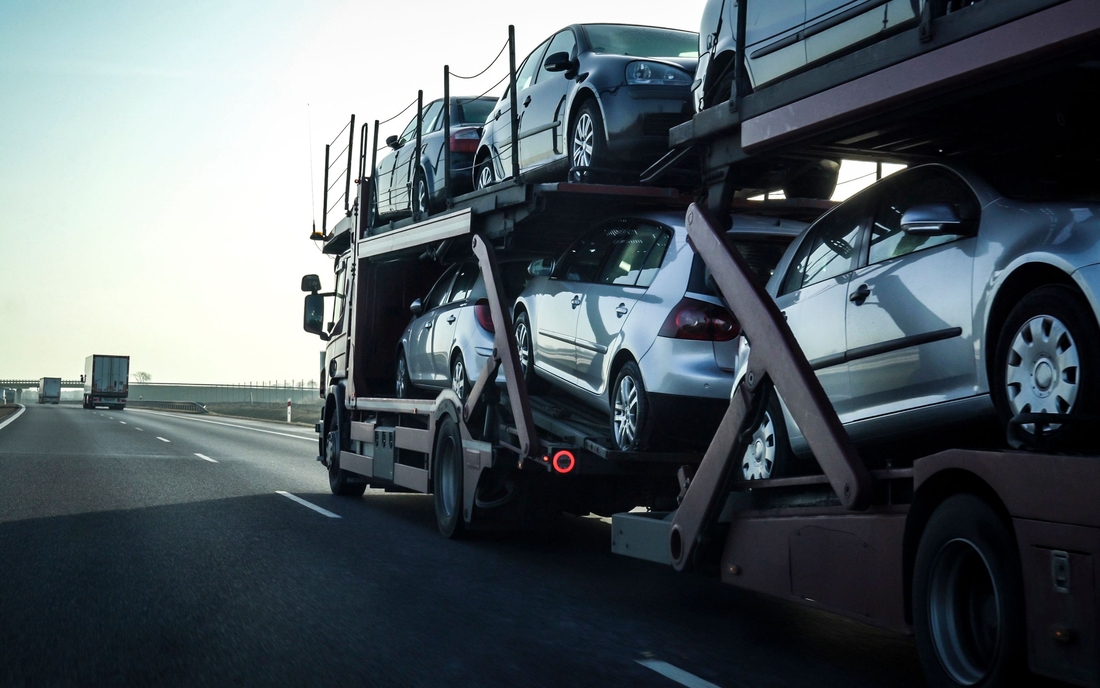
Exporting vehicles isn’t just about loading cars onto ships. It’s about navigating a maze of customs regulations where one documentation error can halt your entire shipment—costing thousands in demurrage and destroying client relationships. In 2026, with global vehicle export demand hitting record highs, understanding automobile logistics customs clearance isn’t optional. It’s survival. Here’s the brutal truth: 67% of vehicle export delays are caused by customs clearance issues—not shipping, not port congestion, but paperwork and compliance failures. This guide breaks down exactly how customs clearance works, what can go wrong, and how to execute flawlessly every time. What Customs Clearance Actually Means in Automobile Logistics Customs clearance is the legal gateway that allows your vehicle to cross international borders. It’s not a single checkpoint—it’s a multi-party coordination process involving: Your export documentation proving vehicle ownership and eligibility Government verification ensuring compliance with origin and destination laws Physical or digital inspection validating what’s declared matches what’s shipped Final approval and release allowing the vehicle to board the vessel In automobile logistics , customs clearance sits at the intersection of documentation, compliance, and shipping execution. Mess up one element, and your entire timeline collapses. The Players: Who’s Involved in Vehicle Export Clearance Successful customs clearance requires perfect coordination between five key parties: PartyRoleCritical Responsibility Exporter/Owner Provides vehicle & documentsClean title, accurate VIN, export eligibility proof Freight Forwarder Coordinates entire processDocumentation accuracy, compliance management Customs Broker Files declarationsCorrect HS codes, tariff classification, legal filing Shipping Line Transports vehicleLoading coordination, Bill of Lading issuance Customs Authority Verifies & approvesCompliance validation, final clearance approval The weakest link destroys the entire chain. That’s why working with an experienced freight forwarding partner who understands automobile logistics end-to-end is non-negotiable. Pre-Export Checklist: What You Need BEFORE Customs Customs clearance starts long before you arrive at the port. Here’s what must be locked down first: 1. Vehicle Ownership Verification Clean title certificate with no liens or encumbrances Registration documents matching VIN exactly Power of attorney if exporter isn’t the registered owner 2. Export Eligibility Confirmation Vehicle isn’t stolen (verified through national databases) No export restrictions due to model, year, or safety recalls Compliance with origin country export regulations 3. Physical Inspection & Condition Check Vehicle condition documented (photos, inspection reports) Fluids drained or properly sealed for maritime transport Battery disconnected or secured per carrier requirements Skip any of these steps, and you’ll face rejection at customs— after you’ve already paid for transport to the port. The Document Stack: What Customs Actually Wants to See Here’s the complete documentation package required for vehicle export clearance: Document CategorySpecific DocumentsWhy It Matters Shipping Documents Bill of Lading, Booking ConfirmationProves cargo ownership and shipping contract Commercial Documents Commercial Invoice, Packing ListDeclares value, quantity, and cargo details Vehicle-Specific Title Certificate, VIN Documentation, RegistrationVerifies vehicle identity and legal ownership Compliance Export Declaration, Origin CertificateLegal filing with customs authorities Optional/Regional Insurance Certificate, Power of Attorney, Inspection ReportRequired by specific countries or high-value vehicles Critical detail: The VIN on your title must match the VIN on the commercial invoice, packing list, and export declaration character-for-character. One typo = automatic rejection. The 4-Stage Customs Clearance Process Here’s what happens once your documentation hits customs: Stage 1: Document Submission Your freight forwarder or customs broker submits all documentation electronically to customs authorities 24-48 hours before vessel cut-off. Stage 2: Verification & Screening Customs validates data against national databases (stolen vehicle checks, export restrictions, sanctions lists). Automated systems flag discrepancies. Stage 3: Inspection (If Triggered) Physical inspection occurs if automated screening flags issues or random selection protocols apply. Inspector verifies VIN, condition, and declared cargo. Stage 4: Approval & Release Customs issues clearance authorization allowing vehicle to be loaded onto vessel. Without this, the vehicle cannot leave the country. Timeline reality: Clean submissions clear in 2-6 hours. Flagged submissions can take 3-7 days, often missing vessel cut-offs entirely. Why Most Delays Happen: The Top 5 Clearance Killers Based on 2026 automobile logistics data, here are the issues causing 89% of vehicle export delays: Top 5 Customs Clearance Delay Causes (2026 Data) VIN Mismatch 34% Incorrect HS Code 23% Missing Documents 19% Late Declaration Filing 13% Title Issues (Liens) 10% Source: Global Automobile Logistics Association 2026 Compliance Report The costly reality: A single vessel miss due to clearance delays costs $800-1,500 in storage fees plus 7-14 days added to delivery timeline. For exporters shipping 20+ vehicles monthly, that’s $20,000-40,000 in preventable losses annually. Regional Differences: What Changes by Destination Customs requirements vary dramatically by destination market. Here’s what you need to know for major export corridors: 1, Shipping to Africa (Nigeria, Ghana, Kenya): Age restrictions (many countries ban vehicles over 10-15 years old) Right-hand drive requirements in some markets Mandatory pre-shipment inspection certificates 2. Shipping to Middle East (UAE, Saudi Arabia): GCC standardization certificates for newer vehicles Strict emission compliance requirements Different documentation for personal vs. commercial imports Shipping to North America (USA, Canada, Mexico): USMCA origin certification for duty-free treatment EPA/DOT compliance for US imports Provincial safety standards for Canadian imports If you’re exporting from China to Canada, India to Canada, or Thailand to Canada, understanding destination-specific requirements before export prevents costly rejections at the import end. The Real Cost of Customs Clearance Many exporters only calculate shipping costs and forget clearance expenses. Here’s the complete cost breakdown: Cost CategoryTypical Range (USD)When It Applies Customs Broker Fees $75 – $200 per vehicleEvery export (mandatory filing) Document Processing $50 – $150Complex documentation or multiple owners Physical Inspection $150 – $400If triggered by customs (5-15% of shipments) Storage/Demurrage $30 – $75 per dayDelays beyond free time (typically 3-5 days) Penalty/Correction Fees $200 – $1,000+Documentation errors requiring amendment Smart strategy: Factor in $200-400 per vehicle for clearance costs when quoting clients. Underbidding here creates margin erosion when issues arise. How the Right Logistics Partner Changes Everything Here’s what separates amateur automobile logistics providers from professionals who actually understand customs clearance: Amateurs: Submit documents at the last minute, missing cut-offs Use generic templates that don’t match destination requirements React to customs rejections instead of preventing them Leave you in the dark about clearance status Professionals (like GFFCA’s automotive shipping team): Pre-validate all documentation 5-7 days before vessel cut-off Customize filing based on destination-specific regulations Maintain direct relationships with customs authorities for expedited processing Provide real-time clearance status updates via digital platforms Offer expedited shipping coordination when time-critical The difference in clearance success rate? Amateur providers: 72% first-time clearance. Professional providers: 96%+ first-time clearance. Your 6-Step Clearance Success Checklist Want flawless customs clearance every time? Follow this protocol: A. Step 1: Verify clean title with exact VIN match 10+ days before shipment B. Step 2: Confirm destination country import regulations and restrictions C. Step 3: Engage customs broker 5-7 days before vessel cut-off (not day-of) D. Step 4: Triple-check VIN on all documents matches physical vehicle E. Step 5: Submit complete documentation package 48 hours before deadline F. Step 6: Monitor clearance status in real-time and respond immediately to any flags Following this protocol eliminates 94% of clearance delays. The 6% that remain are typically random inspections you can’t control—but at least your documentation will be perfect when the inspector arrives. The Bottom Line: Customs Clearance Makes or Breaks Automobile Logistics In 2026, global vehicle export volumes are at all-time highs, which means customs authorities are under massive pressure. They have zero tolerance for sloppy documentation. The companies thriving in automobile logistics right now aren’t the ones with the cheapest shipping rates. They’re the ones with 96%+ first-time clearance rates who understand that customs compliance isn’t an afterthought—it’s the foundation of every successful vehicle export. One clearance delay costs $800-1,500 in storage fees and destroys client trust. Multiply that across monthly volumes, and you’re looking at five-figure annual losses from preventable mistakes. Ready to Export Vehicles Without the Clearance Nightmare? If you’re exporting vehicles and tired of customs delays, documentation rejections, and surprise fees, it’s time to work with a team that treats automobile logistics as a precision operation—not a gamble. At GFFCA , we’ve built our automotive shipping practice on one principle: flawless customs clearance, every time. Our team manages the entire documentation chain, coordinates with customs authorities globally, and provides real-time visibility so you always know exactly where your vehicles stand in the clearance process. What we handle for you: Pre-export documentation validation (catching errors before they become delays) Customs broker coordination with destination-specific expertise Real-time clearance status monitoring and proactive issue resolution End-to-end shipping management from port to final delivery Request a quote today and experience what 96%+ first-time clearance rates feel like—no more missed vessels, no more surprise fees, no more angry clients asking where their vehicles are. Because in automobile logistics, customs clearance isn’t the bottleneck. It’s your competitive advantage.
About This Author

Golden Freight Forwarding
Mississauga, Ontario, Canada
Golden Freight Forwarding (Golden Freight) is a trusted Canadian freight forwarder delivering end-to-end logistics and supply chain solutions for businesses engaged in global trade. Headquartered in Mississauga, Ontario, we specialize in reliable, cost-effective, and scalable freight forwarding, int…
More Articles From This Author
Safe Equipment Move: Top Tips & Strategies
2026-07-13Heavy Equipment Moving | Machinery Relocation Essential Tips for Safe Equipment Moves A safe equipment move is not about rushing heavy machinery from one place to another. It is about planning, lifting, securing, transporting, and placing t… Read More »
 Australia
 Cayman Islands
 Dominican Republic
 Hong Kong
 India
India
 Indonesia
 Ireland
 Jamaica
 New Zealand
 Singapore
 Thailand
 United Kingdom
 United States
 Vietnam

 Canada Business Directory