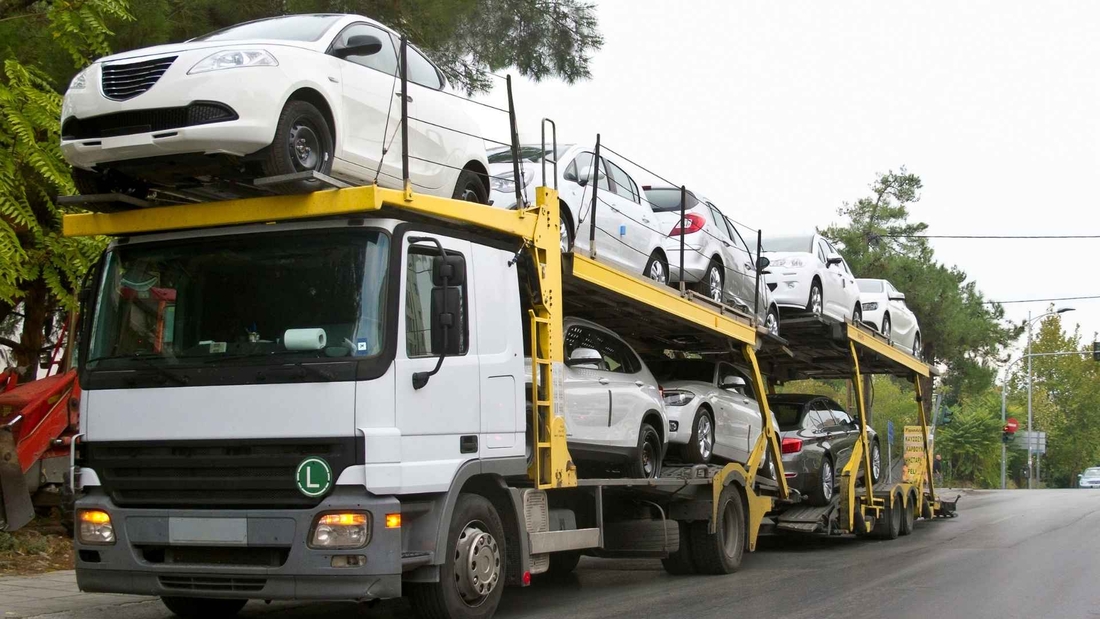
Car Shipping from Canada to the UK: Costs, Transit Time, Documents and UK Import Rules
By Golden Freight Forwarding
· 06/24/2026
Home > Industries > Automotives > Car Shipping to the UK Car Shipping from Canada to the UK Ship your car from Canada to the UK by sealed container or RoRo, with arrival options including Southampton and London Gateway. GFFCA helps coordinate export documentation, ocean freight, customs brokerage support, and UK-side import-agent communication. Get a Free Quote Call +1 (416) 873-4594 16+ Years of international freight forwarding experience Asset-Based Direct control over shipment coordination In-House Customs brokerage department Auto Container, RoRo, and documentation support How Do You Ship a Car from Canada to the UK? Vehicles are usually shipped from Canada to the UK by sealed container or RoRo, also known as roll-on/roll-off shipping. Container shipping is the more flexible option for most moves. Your vehicle is loaded into a 20-foot or 40-foot container and shipped by ocean freight to the UK. This option is commonly used for personal vehicles, classic cars, luxury cars, modified vehicles, non-running vehicles, or shipments that include household goods along with the vehicle. RoRo shipping is different. The vehicle is driven onto a dedicated car carrier vessel and secured for ocean transport. It is generally more cost-effective for standard running vehicles, but it does not allow personal belongings inside the vehicle and the vehicle must be operational at the time of loading. Most Canada to UK car shipments move from Halifax, Montreal, or Toronto-area inland terminals and arrive at Southampton or London Gateway. Some RoRo options may route through a US East Coast port depending on carrier availability, which can add time to the overall schedule. Since the UK is outside the EU customs union, vehicles shipped from Canada are treated as imports from a third country. If you qualify for Transfer of Residence relief, import duty and VAT may be waived. If you do not qualify, standard UK import duty and VAT may apply based on the vehicle’s customs value, shipping, insurance, and other applicable charges. For broader vehicle movement support, review GFFCA’s automotive shipping services. Request a Canada to UK car shipping quote and confirm the best shipping method, port routing, documentation steps, and estimated schedule before the vehicle moves. Container vs RoRo Shipping to the UK Container Shipping For most Canada to UK vehicle moves, container shipping is the safer and more flexible option because the car travels inside a sealed container. Suitable for personal vehicles, classics, luxury cars, and modified cars. Can support non-running vehicles with proper loading planning. Protects the vehicle from weather and open-deck exposure. Allows household goods inside the container when properly declared. Can move through 20-foot, 40-foot, or shared container options. RoRo Shipping RoRo stands for roll-on/roll-off. The vehicle is driven onto the vessel, secured, transported, and then driven off at destination. Usually cost-effective for standard running vehicles. No personal belongings are allowed inside the vehicle. The vehicle must be operational and roadworthy at loading. Works best when direct or connected RoRo routing is available. May not be ideal for classic, high-value, or non-running vehicles. UK Ports of ArrivalSouthampton Southampton is one of the UK’s most important vehicle import ports and is a common destination for cars shipped from Canada. It offers strong connections to London, the South of England, and wider UK road and rail networks. For many Canada to UK car shipments, Southampton is the preferred arrival port because of its vehicle handling experience, strong port infrastructure, and reliable onward delivery options. London Gateway London Gateway is a major deep-water container terminal located on the Thames Estuary. It is often used for containerized shipments heading into London, the South East, and nearby distribution areas. For customers shipping a vehicle by container, London Gateway may be a practical arrival option depending on carrier routing and final delivery location. Other UK Ports Other UK ports such as Tilbury, Felixstowe, and Liverpool may also be used depending on sailing schedules, container routing, RoRo availability, and where the vehicle needs to go after arrival. GFFCA confirms the best arrival port at the quotation or booking stage based on your origin city, vehicle type, preferred shipping method, and UK destination. Import Duty, VAT and Transfer of Residence Relief in the UK When a vehicle is imported into the UK from Canada, import duty and VAT may apply unless the importer qualifies for relief. For private individuals moving permanently to the UK, Transfer of Residence relief may allow the vehicle to be imported without paying import duty and VAT. This relief is designed for people moving their normal place of residence to the UK and bringing personal belongings, including private motor vehicles. To qualify, you generally need to meet conditions such as: You have been resident outside the UK for at least 12 consecutive months before moving. You are importing the vehicle within 12 months of moving to the UK. You have owned and used the vehicle for at least 6 months before moving. The vehicle is for personal use. The vehicle is not being imported for resale, hire, or commercial use. The vehicle cannot be sold, lent, hired out, used as security, or transferred within the restricted period after import. To claim ToR relief, you must apply through the ToR1 process and receive approval from HMRC. If approved, HMRC issues a unique reference number that is used on the import declaration. ToR relief may remove import duty and VAT, but it does not remove every UK-side requirement. NOVA, DVLA registration, vehicle approval, MOT requirements, Vehicle Excise Duty, and UK insurance may still apply. For documentation and clearance support, GFFCA can help connect the Canadian export side with customs brokerage coordination. Documents Required for Shipping a Car from Canada to the UK To avoid delays, documents should be reviewed before the vehicle is delivered for loading. Canadian Certificate of Title or ownership document Canadian vehicle registration Bill of Sale or purchase invoice Photo ID or passport Proof of UK address Vehicle details, including year, make, model, VIN, and dimensions Bill of Lading issued after shipment ToR1 approval and unique reference number if claiming relief Lien release letter if the vehicle was financed Compliance or approval documents if required for UK registration Power of attorney or authorization letter if an agent is acting on your behalf For customs purposes, the vehicle value, ownership details, VIN, shipping documents, and importer details must match properly. Incorrect or incomplete paperwork can delay customs clearance, NOVA processing, and DVLA registration. Customs Clearance and Registration in the UK After the vehicle arrives in the UK, customs clearance must be completed before the vehicle can move through the registration process. If VAT or duty applies, it must usually be paid before the vehicle can be registered. If ToR relief applies, the unique reference number should be included in the customs declaration. Every permanently imported vehicle must also be reported to HMRC through the NOVA process. NOVA stands for Notification of Vehicle Arrivals. Without NOVA processing, the vehicle cannot be registered with DVLA. After customs and NOVA are completed, the vehicle must be registered with the DVLA. Registration may require proof of vehicle approval, original foreign registration documents, supporting forms, tax payment, and other documents. NOVA declaration DVLA registration Vehicle approval evidence MOT testing when applicable Vehicle Excise Duty UK number plates V5C logbook UK motor insurance Canadian vehicles are left-hand drive, and left-hand drive vehicles can be used in the UK if properly registered and roadworthy. However, some vehicles may require changes such as headlight adjustment, rear fog lamp compliance, speedometer review, or other safety and road-use requirements before approval or MOT. Why Choose GFFCA for Canada to UK Car Shipping? GFFCA supports customers with practical freight planning for vehicles moving from Canada to the UK. Car shipping is not only about booking ocean freight. The full process includes vehicle pickup, export documentation, loading, ocean freight, customs clearance support, NOVA guidance, delivery planning, and UK-side coordination. GFFCA helps with: Container and RoRo shipping options Automotive shipping planning Ocean freight coordination Canadian export documentation support Customs brokerage support Communication with UK import agents Vehicle and document review before shipment Port and vessel schedule coordination Inland pickup and delivery planning Guidance on ToR1, NOVA, and DVLA steps GFFCA’s in-house customs brokerage support helps reduce documentation confusion before the shipment moves. Our team helps customers understand what needs to be prepared, what must be checked, and what should be coordinated with the UK-side import agent before the vehicle arrives. For containerized vehicle moves, customers can also review FCL shipping in Canada to understand how full-container planning works. Frequently Asked QuestionsQ1 How long does it take to ship a car from Canada to the UK? Ocean transit from Halifax or Montreal to Southampton or London Gateway usually takes around 18–28 days depending on routing, carrier schedule, port conditions, and shipping method. When inland pickup, export paperwork, customs clearance, NOVA, and DVLA registration are included, the full door-to-registration timeline is often closer to 6–9 weeks. Q2 Can I ship a car from Canada to the UK in a container? Yes. Container shipping is one of the most common options for Canada to UK vehicle shipping. A vehicle can move in a 20-foot or 40-foot container, and shared container options may also be available depending on schedule and cargo compatibility. Q3 Is RoRo available from Canada to the UK? RoRo may be available depending on vessel routing and carrier schedule. In some cases, RoRo shipments may route through a US East Coast port before moving to the UK. RoRo is usually best for standard running vehicles with no personal belongings inside. Q4 Do I have to pay UK import duty and VAT on my car? You may not need to pay import duty and VAT if you qualify for Transfer of Residence relief. If you do not qualify, UK import duty and VAT may apply. HMRC and your customs agent determine the exact duty and VAT treatment based on your import reason, vehicle details, and documents. Q5 What is ToR1 relief? ToR1 is the application process used to claim Transfer of Residence relief when moving to the UK. If approved, HMRC provides a unique reference number that can be used on the import declaration to claim relief from eligible import duties and charges. Q6 Is NOVA always required? Yes, a permanently imported vehicle must be reported to HMRC through the NOVA process before it can be registered with DVLA. NOVA must be completed even when ToR relief applies. Q8 Can I ship personal belongings with my car? Personal belongings cannot normally be shipped inside the vehicle when using RoRo. With container shipping, household goods may be shipped in the container, but they must be properly declared. If you are claiming ToR relief, the vehicle and household goods should be included correctly in the ToR1 process. Q9 Which UK port will my car arrive at? Most Canada to UK car shipments arrive at Southampton or London Gateway, depending on shipping method, carrier routing, and final destination in the UK. GFFCA confirms the arrival port during booking. Related GFFCA Services Automotive Shipping Ocean Freight Customs Brokerage Inland Solutions FCL Shipping Canada Request a Canada to UK Shipping Quote Tell us your vehicle year, make, model, current Canadian location, preferred shipping method, and UK destination. GFFCA will help review the best shipping option, documentation requirements, sailing availability, and customs coordination steps. Get a Free Quote Call +1 (416) 873-4594 Final pricing depends on vehicle dimensions, Canadian origin, departure port, shipping method, carrier availability, fuel charges, port fees, and inland delivery requirements. UK import duty, VAT, NOVA, DVLA registration, MOT, Vehicle Excise Duty, insurance, and destination-side charges are separate from shipping costs and are determined by UK authorities and service providers.
About This Author

Golden Freight Forwarding
Mississauga, Ontario, Canada
Golden Freight Forwarding (Golden Freight) is a trusted Canadian freight forwarder delivering end-to-end logistics and supply chain solutions for businesses engaged in global trade. Headquartered in Mississauga, Ontario, we specialize in reliable, cost-effective, and scalable freight forwarding, int…
More Articles From This Author
Safe Equipment Move: Top Tips & Strategies

2026-07-13Heavy Equipment Moving | Machinery Relocation Essential Tips for Safe Equipment Moves A safe equipment move is not about rushing heavy machinery from one place to another. It is about planning, lifting, securing, transporting, and placing t… Read More »
 Australia
 Cayman Islands
 Dominican Republic
 Hong Kong
 India
India
 Indonesia
 Ireland
 Jamaica
 New Zealand
 Singapore
 Thailand
 United Kingdom
 United States
 Vietnam

 Canada Business Directory