 Australia
 Cayman Islands
 Dominican Republic
 Hong Kong
 India
India
 Indonesia
 Ireland
 Jamaica
 New Zealand
 Singapore
 Thailand
 United Kingdom
 United States
 Vietnam

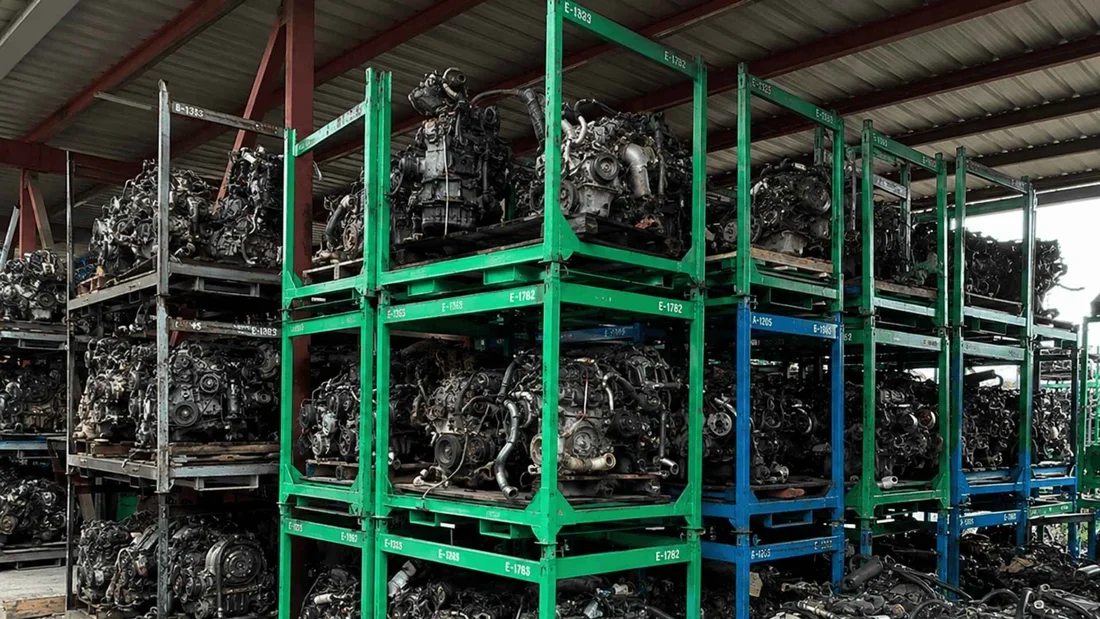
Engine Shipping | Heavy Equipment Logistics
How to Ship an Engine: Essential Steps for Safe Engine ShippingShipping an engine requires proper preparation, palletizing, documentation, insurance, tracking, and the right freight partner to move the engine safely from pickup to delivery.
If you are wondering how to ship an engine, the first thing to know is that an engine cannot be treated like a regular parcel. It is heavy, valuable, and sensitive to poor handling during loading, transit, and delivery.
Whether you are shipping a car engine, truck engine, replacement motor, rebuilt engine, or used engine, the process should be planned carefully. The engine must be cleaned, drained, secured, documented, and shipped through a carrier that understands freight handling.
For larger engine moves or equipment-related shipments, it also helps to understand how heavy machinery shipping works, because many of the same planning steps apply to engines, industrial equipment, and other heavy cargo.
Understanding Engine Shipping: Basics and Key ConsiderationsEngine shipping starts with accurate details. Before requesting a quote, you need to know the engine’s size, weight, pickup location, delivery location, and whether special handling is required.
A freight carrier may ask for:
Engine type and modelEngine weight and dimensionsPickup and delivery addressesWhether a forklift or loading dock is availableWhether the engine is drained and securedRequired delivery timelineInsurance valueThe more accurate the information, the more accurate the shipping quote will be. Wrong dimensions, missing pallet details, or unclear pickup conditions can lead to extra charges after booking.
If your engine shipment is part of a larger equipment move, this guide on best practices for machinery shipping logistics can also help you understand how planning, safety, documentation, and carrier selection affect heavy cargo movement.
How Much Does It Cost to Ship an Engine?The cost to ship an engine depends on several factors. There is no single fixed price because every shipment is different.
Main cost factors include:
Distance: Longer routes usually cost more.Weight: Heavier engines require stronger handling and transport planning.Dimensions: Larger pallet size can affect freight class and space.Shipping Method: Ground freight is usually more affordable than air freight.Pickup and Delivery Access: Residential pickup, liftgate service, or limited-access delivery can add cost.Insurance: Extra coverage is recommended for valuable engines.Packaging: Crating or special palletizing may increase the total cost.Cost planning is important for engine shipping because small details can change the final quote. Similar cost factors also affect vehicle movement, which is why this guide on factors influencing car shipping costs is useful for understanding how distance, size, handling, and service type can affect transportation pricing.
Choosing the Best and Cheapest Way to Ship an EngineThe cheapest way to ship an engine is not always the safest option. The best method depends on the engine value, timeline, distance, and handling needs.
LTL freight is often one of the most practical options for engine shipping. LTL stands for less-than-truckload, which means your engine shares trailer space with other freight. This can help reduce cost when the engine does not require a dedicated truck.
FTL freight may be better for larger, high-value, or time-sensitive shipments. It gives more direct movement but usually costs more than LTL.
For heavier or more complex shipments, understanding how heavy haul transport makes shipping easier can help you decide whether the engine should move by standard freight, dedicated trucking, or a more specialized transport setup.
Air freight is the fastest option, but it is usually used only when time is more important than cost. GFFCA can also support urgent cargo through air freight.
Preparing Your Engine for ShippingPreparation is one of the most important parts of engine shipping. A poorly prepared engine can leak, shift, or get damaged during transit.
Before shipping, make sure to:
Drain all fluids: Oil, fuel, coolant, and other fluids should be removed to prevent leaks.Clean the engine: A clean engine is easier to inspect and safer to handle.Remove loose parts: Loose parts can break, shift, or cause damage.Protect fragile areas: Use padding, shrink wrap, or protective covers where needed.Take photos: Document the engine condition before shipping.Create an inventory: List any parts or accessories included with the shipment.If the engine is moving with other machinery, parts, or industrial cargo, GFFCA’s heavy machinery moving services in Canada can help coordinate pickup, handling, and delivery planning.
How to Secure an Engine on a Shipping PalletA shipping pallet helps keep the engine stable during loading, transit, and unloading. The pallet must be strong enough to support the engine’s weight and large enough to keep the engine fully inside the pallet edges.
Follow these steps:
Use a strong wooden or heavy-duty pallet.Place the engine in the center of the pallet.Do not allow the engine to hang over the pallet edges.Use heavy-duty straps, bands, or chains to secure the engine.Cross the straps where possible for better stability.Add padding around sensitive parts.Wrap the engine with shrink wrap after it is secured.Label the shipment clearly.The engine should not move, tilt, or shift after it is secured. If it moves on the pallet, it is not ready for shipping.
Selecting a Reliable Engine Shipping CompanyA reliable engine shipping company should understand freight handling, palletized cargo, insurance, documentation, and delivery coordination.
Look for a shipping partner that offers:
Experience with engines and automotive freightClear pricing and service explanationTracking supportInsurance optionsPickup and delivery coordinationSupport for customs documents when shipping internationallyIf the engine is moving with other automotive equipment or heavy cargo, GFFCA can also help coordinate related trucking support such as heavy equipment hauling through NFFI.
Insurance, Tracking, and DocumentationEngine shipping should always include proper documentation. This helps protect both the shipper and the carrier.
Important documents may include:
Bill of ladingCommercial invoice or receiptEngine value documentInsurance documentsPickup and delivery detailsCustoms paperwork for international shipmentsCondition photos before shippingTracking is also important because it gives visibility during transit. Insurance is strongly recommended for valuable engines, rebuilt engines, rare engines, or international shipments.
When the engine is moving across borders, GFFCA’s customs brokerage support can help review documents before the shipment moves.
Shipping an Engine Internationally: What to KnowInternational engine shipping requires more planning than domestic freight. Customs rules, tariff classification, duties, taxes, and import restrictions may apply depending on the destination country.
For international shipments, you may need:
Commercial invoicePacking listEngine description and HS codeCountry of origin detailsCustoms declarationImport permits if requiredProof that the engine is drained and safe for transportEngines may move internationally through ocean freight, air freight, or a combination of inland and port services.
If the engine or vehicle parts are being shipped into Canada, the shipment may also need import planning. GFFCA’s import to Canada support can help shippers understand the documentation and customs side before cargo arrives.
International freight conditions can also affect timing and cost. For example, changes in fuel prices, ocean routing, and global trade conditions can influence pricing, which is why GFFCA shares market updates like this international car shipping news and freight cost shift update.
After Delivery: Inspection and Next StepsOnce the engine is delivered, inspect it immediately before signing final paperwork if possible.
Check for:
Visible damageBroken or loose partsLeaking fluidsDamaged pallet or crateMissing accessories or partsSigns of shifting during transitTake photos after delivery and compare them with the pre-shipment photos. If there is any damage, report it to the carrier and shipping company as soon as possible.
Frequently Asked Questions About Engine ShippingHow much does it cost to ship an engine?The cost depends on distance, engine weight, pallet size, shipping method, pickup access, delivery access, insurance, and whether the shipment is domestic or international. A properly prepared quote should include all major charges before booking.
What is the best way to ship an engine safely?The safest way is to drain all fluids, clean the engine, remove loose parts, secure it to a strong pallet, protect fragile areas, wrap it properly, and ship it through a freight carrier experienced with engines and heavy cargo.
Are there specific requirements for engine pallets?Yes. The pallet should be strong enough to support the engine, large enough to keep the engine inside the pallet edges, and stable enough to prevent shifting. The engine should be centered, strapped tightly, and protected with padding where needed.
Is insurance necessary for shipping an engine?Insurance is highly recommended, especially for rebuilt engines, rare engines, high-value engines, or international shipments. It helps protect against damage or loss during transit.
Can I track my engine shipment easily?Yes, most reliable freight companies provide tracking updates. Tracking helps you monitor the shipment, plan delivery, and respond quickly if there is a delay.
GFFCA helps customers plan engine shipping with proper palletizing guidance, freight coordination, documentation support, insurance review, tracking, and customs support for international shipments.
Request an Engine Shipping Quote