 Australia
 Cayman Islands
 Dominican Republic
 Hong Kong
 India
India
 Indonesia
 Ireland
 Jamaica
 New Zealand
 Singapore
 Thailand
 United Kingdom
 United States
 Vietnam

Heavy Equipment Moving | Machinery Relocation
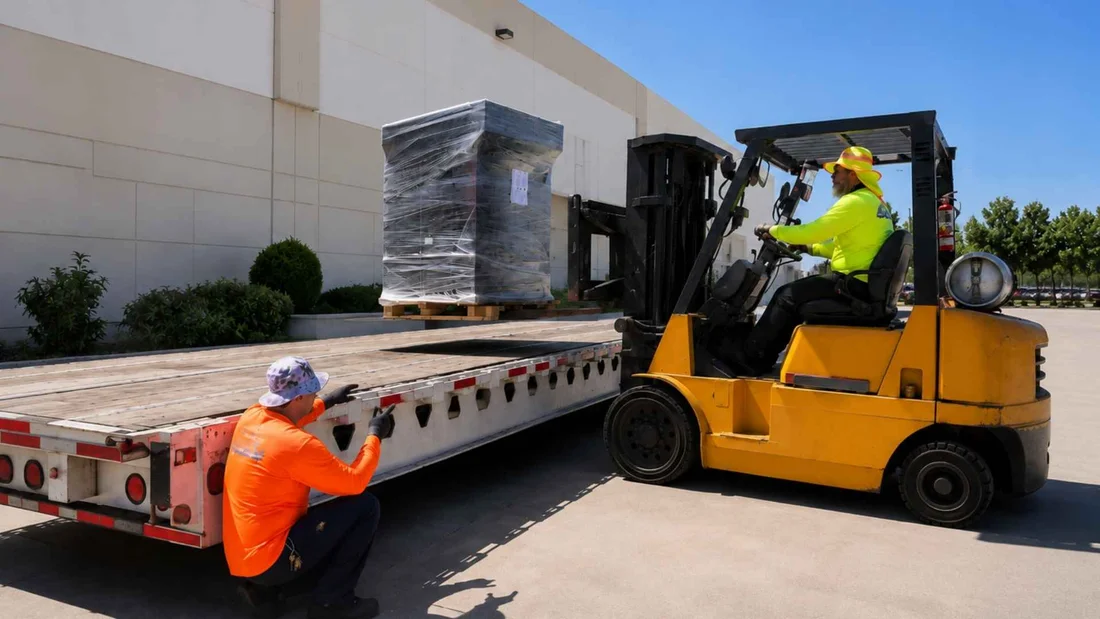
Essential Tips for Safe Equipment MovesA safe equipment move is not about rushing heavy machinery from one place to another. It is about planning, lifting, securing, transporting, and placing the equipment without damage, delays, or safety risks.
Whether you are relocating a workshop machine, moving industrial equipment, upgrading a production floor, or preparing machinery for long-distance transport, a safe equipment move requires more than basic manpower.
Heavy machinery is unforgiving. One wrong lift, one weak strap, one poor route decision, or one missed measurement can cause equipment damage, floor damage, worker injury, or costly downtime.
That is why businesses should treat equipment relocation as a planned logistics project. From machine preparation to loading, transit, unloading, and final positioning, every step needs to be controlled. For larger machinery movement, working with a freight partner experienced in heavy machinery shipping can help reduce risk before the equipment moves.
The Ultimate Industrial Equipment Relocation ChecklistBefore any machine is lifted, rolled, loaded, or transported, there should be a checklist. A proper industrial equipment relocation checklist helps identify risks before they become expensive problems.
Start by measuring the equipment. Confirm the machine footprint, height, width, weight, center of gravity, lifting points, and any parts that may need to be removed before movement.
Then measure every access point on the route. Doorways, loading docks, ramps, warehouse aisles, trailer openings, ceiling clearance, and turning space all matter. Do not forget to account for the added height of skates, dollies, forklifts, or pallets.
Key checklist items before moving equipment:Measure the machine dimensions and operating weight.Confirm doorway, hallway, dock, ramp, and trailer clearance.Check floor load capacity at pickup and delivery locations.Clear the moving path of debris, tools, pallets, and loose material.Drain fluids such as coolants, oils, or hydraulic liquid if required.Secure moving parts, attachments, panels, and loose components.Confirm power, phase, voltage, and installation needs at the new location.Take photos before the move for condition records.If the equipment is being moved between cities, provinces, or facilities, planning should also include route access, loading equipment, permits if required, and final delivery coordination. GFFCA’s inland solutions can support equipment movement between ports, warehouses, yards, and final delivery points.
Rigging Services vs DIY Moving: Making the Right ChoiceOne of the first decisions in any safe equipment move is whether to hire professionals or attempt the move internally.
For small shop tools or lighter machines, a trained team with the right moving equipment may be able to handle the relocation. But for industrial machinery, CNC machines, presses, forklifts, generators, production equipment, or large metalworking machines, professional support is often the safer option.
The decision usually comes down to three factors: equipment weight, path complexity, and handling experience.
If a machine weighs a few hundred pounds and the path is simple, a controlled DIY move may be possible. If the machine weighs several thousand pounds, has a high center of gravity, must be moved through a tight facility, or needs transport on a truck, professional rigging and freight support should be considered.
For equipment that needs road transport after loading, NFFI’s heavy equipment hauling service can be a useful outbound resource for machinery and industrial equipment movement.
The Cost to Hire Professional Machinery RiggersMany businesses avoid hiring professional machinery riggers because they are focused only on cost. But the real question is not only how much rigging costs. It is how much a failed equipment move could cost.
A dropped machine, cracked base, damaged spindle, bent frame, broken control panel, or injury can cost far more than professional handling.
Professional riggers may bring forklifts, toe jacks, skates, cranes, straps, blocking material, lifting plans, and insurance coverage. For high-value machines, that added protection is often worth the cost.
If the machinery also needs long-distance freight coordination, GFFCA’s freight forwarding support can help connect the relocation plan with the right transport method.
Essential Heavy Equipment Moving EquipmentA safe equipment move depends on using the right gear. Standard hand trucks, light-duty dollies, and basic straps are not enough for industrial machinery.
Heavy equipment moving requires tools that are rated for the load and suitable for the surface, route, and machine type.
Lifting the Load SafelyBefore a machine can be moved, it usually needs to be lifted slightly. This is where the right lifting equipment matters.
A hydraulic toe jack is often used when a machine sits close to the floor and there is no room for a normal floor jack. The low toe allows the machine to be raised enough to place skates, blocks, or rollers underneath.
Heavy-duty pry bars, sometimes called Johnson bars, can help with small adjustments. They allow a trained operator to raise or shift a machine carefully without using unsafe force.
Blocking is also important. Machines should never be lifted and left unsupported. Heavy-duty wood blocking, steel plates, and cribbing should be used to stabilize the load during each step.
Rolling and Gliding SystemsOnce the machine is lifted, it needs a controlled way to move. Machinery skates, rollers, machine dollies, and air caster systems are common options.
Machinery skates are useful for heavy equipment movement because they distribute weight and allow the machine to roll slowly across a controlled surface.
Machine dollies with rated swivel wheels may work for medium-weight equipment, but the caster rating must match the load. Cheap wheels can flatten, crack, or fail under sustained weight.
For sensitive or very heavy equipment, air caster systems may be used in specialized environments. They help reduce friction and protect floors, but they require the right surface and air supply.
If equipment must be staged temporarily before final movement, GFFCA’s warehousing and distribution support can help with storage and freight flow planning.
How to Move Heavy Shop Equipment Alone (Safely)Moving heavy shop equipment alone is risky and should only be considered for smaller equipment, simple routes, and controlled conditions.
The safest approach is to avoid rushing. Move in small increments, keep the machine low, and never place hands or feet under the load.
Some shop owners use the inchworm method, where one side of the machine is lifted slightly, moved forward a small amount, lowered, and repeated on the other side. Others use pipe rolling for flat-bottom equipment, but this must be done carefully because uncontrolled rolling can quickly become dangerous.
If the machine is too heavy, too tall, too unstable, or too valuable, do not move it alone. For local or regional equipment transport, NFFI’s straight truck service may be useful when a smaller delivery vehicle is more practical than a full trailer.
Protecting Your WorkspaceFloors are often damaged during equipment moves. Steel wheels, dropped corners, dragging feet, and concentrated weight can crack concrete, damage epoxy, or leave deep marks.
Use plywood, steel plates, or suitable floor protection to create a stable rolling path. This helps distribute weight and gives machinery skates or dollies a more controlled surface.
Tight spaces should also be cleared before movement. Remove loose tools, hoses, cords, pallets, and anything that could become a tripping hazard.
Upgrading to Mobile BasesIf the equipment needs to be moved often inside a shop, a permanent mobile base can help. However, mobile bases should be chosen carefully.
Look for rated casters, stable frames, and locking mechanisms that prevent movement during operation. For heavier machinery, the base should allow the equipment to sit solidly when not being moved.
Mobility is useful, but stability during operation is more important.
Techniques for Specific Heavy MachineryDifferent machines require different handling methods. The center of gravity, weight distribution, base shape, and fragile parts all affect how the equipment should be moved.
This is why a safe equipment move should never use one generic method for every machine.
Moving Woodworking ToolsWoodworking machines often have heavy cast iron tops mounted on lighter bases. This can make them more top-heavy than they appear.
For table saws, jointers, planers, and similar tools, remove loose accessories, fence rails, extension wings, blades, guards, and detachable parts before the move.
Avoid lifting from delicate cast iron surfaces. Lift from the base or designated lifting points whenever possible.
If machinery is part of a broader business relocation, GFFCA’s value-added services can support special handling, coordination, and shipment planning.
Moving Metalworking MachineryMetalworking equipment is often heavier and less forgiving than woodworking equipment. Lathes, milling machines, presses, CNC equipment, and grinders may have uneven weight distribution.
A lathe, for example, may look balanced, but the headstock side is often much heavier. Lifting from the wrong point can cause tipping or damage.
Milling machines can be tall and top-heavy. Lowering the table, centering the moving parts, and reducing the center of gravity can make the move safer.
For equipment moves in Ontario, GFFCA’s heavy machinery shipping in Toronto support can help businesses plan machinery transport with better route and handling coordination.
Best Practices for Heavy Equipment Movement and TransitGetting equipment out of the shop is only part of the move. Transit creates another layer of risk.
The equipment must be loaded correctly, secured properly, protected from vibration, and matched with the right truck or trailer.
For large machinery or dedicated road movement, NFFI’s FTL shipping can be useful when the load should move on a dedicated truck without being mixed with other freight.
For general enclosed transport where the cargo fits standard trailer requirements, NFFI’s dry van trucking may support machinery parts, crated equipment, boxed components, or protected commercial cargo.
Preventing Damage on the RoadRoad vibration, sudden braking, turning, and poor securement can damage equipment during transit.
Machines should be secured from the base, not only from the upper section. The heaviest part of the equipment should be tied directly to the trailer deck, with additional support used to prevent tipping.
Use rated straps, chains, blocking, bracing, rubber mats, shrink wrap, and weather protection where needed. Cast iron and exposed metal should be protected from moisture if the shipment moves on an open trailer.
If the equipment is moving internationally or crossing a border, documentation should be reviewed before pickup. GFFCA’s customs brokerage support can help businesses prepare paperwork for cross-border or import-related machinery moves.
For machinery imported into Canada, GFFCA’s import to Canada support can also help clarify documentation, duty, tax, and clearance planning before the equipment arrives.
If equipment must be moved urgently because of production downtime, repair needs, or project deadlines, NFFI’s expedited shipping service may help when timing is more important than standard transit cost.
When timing between pickup, storage, and delivery does not line up, NFFI’s cross-docking and warehousing can also help reduce delays by transferring or staging freight more efficiently.
ConclusionA successful safe equipment move is not about brute strength. It is about careful planning, the right lifting method, controlled movement, proper securement, and realistic risk management.
Before moving any machinery, measure the equipment, inspect the route, check floor capacity, secure loose parts, choose the right lifting gear, and confirm the right transport method.
For local machinery movement, facility relocation, heavy equipment shipping, or cross-border equipment transport, businesses should plan early and work with the right logistics partners.
GFFCA can help with freight services, inland movement, customs support, warehousing, and machinery shipping coordination so the equipment reaches its next location safely and efficiently.
GFFCA helps businesses plan heavy machinery shipping, inland transportation, warehousing, customs brokerage, and freight coordination for safer equipment movement.
Request a Freight Quote