Australia
 Cayman Islands
 Dominican Republic
 Hong Kong
 India
 Indonesia
 Ireland
 Jamaica
 New Zealand
 Singapore
 Thailand
 United Kingdom
 United States
 Vietnam

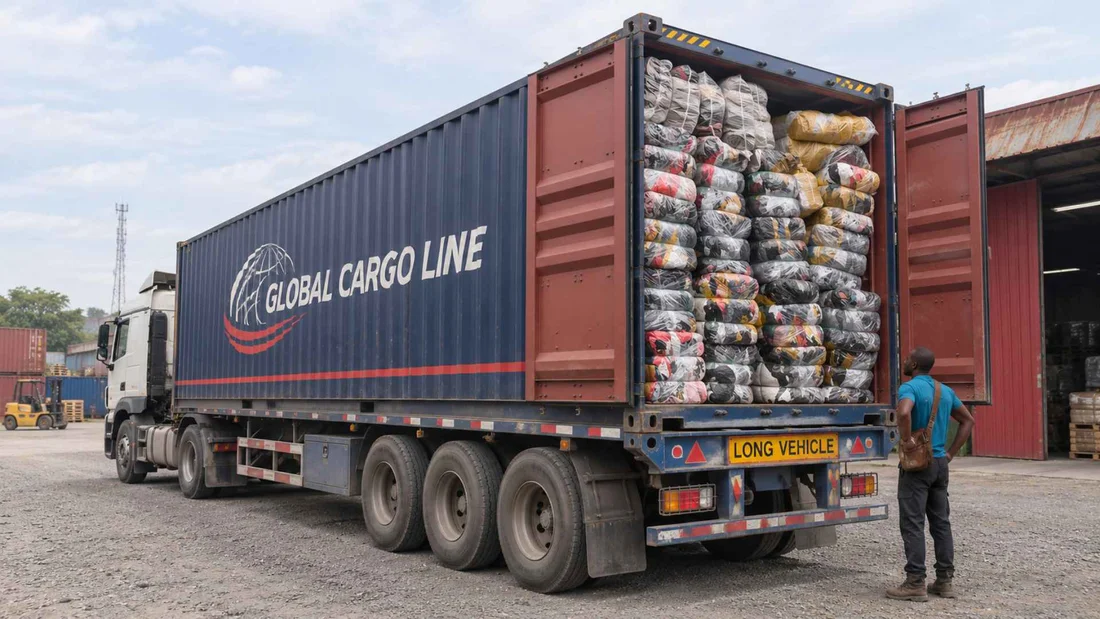
Canada's top used clothing exporters and suppliers for 2026, how the trade works, how buyers can pick a reliable supplier, and how Canadian exporters can grow.
Canada is one of the world's top 10 exporters of used clothing, shipping about US$134 million worth in 2023. Behind those numbers is a network of thrift chains, charities, collectors and sorting plants, many of them clustered around Mississauga and Brampton in Ontario. If you're a buyer in Africa, Asia or Latin America looking for a reliable Canadian supplier, or a Canadian business trying to understand the market, this guide introduces the top used clothing exporters in Canada for 2026, what each one does and how to choose the right partner.
Quick List: Used Clothing Exporters and Suppliers in Canada1. Savers Value Village: Based in: National thrift chain; What They Do: Sells surplus clothing from its stores into wholesale and export markets2. Bank & Vogue: Based in: Ottawa, ON; What They Do: One of North America's largest used clothing traders3. Used Clothing Exports: Based in: Mississauga, ON; What They Do: Buys tens of millions of pounds a year for graders worldwide4. Maple Textiles: Based in: Mississauga, ON; What They Do: Sorting and grading plant focused on African markets5. Toronto Textile Recycling: Based in: Brampton, ON; What They Do: Grades and exports to Ghana, Senegal and Tanzania6. Certex: Based in: Montreal, QC; What They Do: Quebec textile recovery and sorting social enterprise7. Charity collection networks: Based in: Across Canada; What They Do: Salvation Army, Goodwill and others that sell donations to gradersListed in no particular order of size. Details come from public reports and may have changed, so always verify a supplier directly before you buy.
How Canada's Used Clothing Export Trade WorksMost of the used clothing Canada exports passes through four stages:
Collection. Canadians drop clothes into donation bins, give them to charities or bring them to thrift stores.Retail first. Thrift stores put the best pieces on their shelves. What doesn't sell, or isn't good enough for the store, is baled up as surplus.Sorting and grading. Specialist graders buy that surplus by the truckload. Their teams sort every item by type, quality and climate (for example, summer wear for West Africa, winter coats for Pakistan) and press it into bales.Export. Bales are loaded into containers and shipped from Montreal, Halifax or Vancouver to buyers worldwide.The Greater Toronto Area is the heart of this trade. A 2020 Maclean's report counted around 40 clothing graders in the GTA, and a 2019 industry report described Mississauga as a hub that may handle up to a third of North America's used clothing.
In Plain English: What's "Credential"?: It's clothing exactly as it was collected, unsorted. Buyers who purchase credential do their own sorting. Graded or sorted bales cost more because the hard work of picking out the good stuff has already been done.
How We Picked These CompaniesWe looked for Canadian businesses that are named in public reports as major collectors, traders or graders of used clothing, and that sell into export markets directly or through graders. We also included the charity networks that supply much of the raw material, because buyers often ask where Canadian clothing comes from.
Want the full picture of the trade? Read our guides on how to export used clothing from Canada and the future of used clothing exports in 2026.
The Top Used Clothing Exporters in Canada1. Savers Value VillageType: national thrift chain (Value Village in English Canada, Village des Valeurs in Quebec)
Savers Value Village is one of the biggest names in secondhand clothing in North America. The company processed about 1.1 billion pounds of secondhand goods across its stores in 2025. Items that don't sell in its stores are sold on to secondary markets, including graders and exporters, so a lot of Canadian export clothing starts its journey here.
Best For: large graders and traders who want steady, high volumes of credential.
2. Bank & VogueType: used clothing trader, Ottawa, Ontario
Bank & Vogue is one of the largest used clothing traders in North America. Maclean's reported that it moves about five million garments a week, roughly 70 tractor-trailer loads, and sells to graders in Toronto, Karachi and Dubai.
Best For: big graders and importers who buy large volumes of credential and mixed loads.
3. Used Clothing ExportsType: collector and trader, Mississauga, Ontario
A family business founded by Abdul Majid Moledina, Used Clothing Exports was reported in 2019 to buy 60 to 70 million pounds of used clothing a year from charities and companies across North America. It sells to graders who sort and pack the clothing for markets around the world.
Best For: graders looking for a large, steady North American supply.
4. Maple TextilesType: sorting and grading plant, Mississauga, Ontario
Maple Textiles sorts and grades used clothing with a focus on African markets, picking the styles and sizes buyers there want.
Best For: African importers looking for graded bales.
5. Toronto Textile RecyclingType: grader and exporter, Brampton, Ontario
Toronto Textile Recycling buys donated clothing from charities such as the Salvation Army and Goodwill, then sorts, grades and exports it. Maclean's reported that it handles about 250,000 pounds a week, mainly for buyers in Ghana, Senegal and Tanzania.
Best For: West and East African importers who want graded bales.
6. CertexType: textile recovery social enterprise, Montreal, Quebec
Certex collects and sorts used textiles in Quebec, finding new uses for clothing that would otherwise go to landfill, and has received Quebec government support for its textile recovery work.
Best For: buyers interested in Quebec supply and recycled textiles.
7. Charity Collection NetworksType: charities and donation programs across Canada
Charities like the Salvation Army and Goodwill, along with many local donation programs, are the starting point for much of Canada's used clothing. They sell what they can't use in their own stores to graders and traders, who then export it.
Best For: Canadian graders building their supply.
Exporting from Other CitiesThe GTA isn't the only hub. See our guides to used clothing export from Toronto, Montreal and Vancouver.
For Buyers: How to Choose a Canadian SupplierBuying a container of used clothing from the other side of the world takes trust. Here's how to protect yourself:
Ask for photos and video of the actual bales being loaded for your order, not stock pictures.Agree on the grade in writing. "Grade A" can mean different things to different suppliers. Write down what's allowed in each bale (type, condition, percentage of damaged items).Start small. Order a mixed trial container before you commit to regular shipments.Check the company. Look up their business registration, website, reviews and Better Business Bureau profile. A real exporter will be happy to have you visit or send an inspector.Use safe payment terms. For new suppliers, use a letter of credit or pay in stages, never 100% up front by wire to a personal account.Check your own country's rules. Some countries ban used clothing or used underwear, or require inspection certificates. Read about used clothing shipping regulations before you order.Watch out for scams. If a "supplier" offers prices far below the market, has no physical address, only communicates by WhatsApp and wants full payment up front, walk away.
For Canadian Exporters: How to GrowMatch grades to markets. Winter coats sell in Pakistan and Central Asia; light summer wear sells in West Africa and Central America. Sending the right mix lifts the value of every container.Get the paperwork right. Use the correct HS code (6309 for worn clothing) and include fumigation certificates where they're needed. See why HS codes matter for used clothing exports.Look beyond your usual buyers. Demand from the Middle East is growing. Read about Middle East demand for used clothing and used clothing export to India.Cut shipping costs. Tighter pressing and smarter loading make a big difference. See our tips on cutting used clothing shipping costs. Collecting from several sources? NFFI's cross-docking and warehousing services can receive and consolidate bales before export.The Shipping Partner Behind Canadian Used Clothing Exports: GFFCAEvery exporter on this list needs to get bales from a Canadian warehouse to a port on the other side of the world. That's where Golden Freight Forwarding (GFFCA) comes in. Based in Mississauga, right in the heart of Canada's used clothing trade, GFFCA has a dedicated used clothing export service:
Container pickup from warehouses and grading plants across the GTA, Montreal and VancouverSailings to the main markets, including West and East Africa, Pakistan, the UAE, India and Central AmericaPaperwork done right: HS codes, packing lists and fumigation certificates checked before the container leavesMarket know-how, so you know which ports are open and which are tightening their rulesOne contact from your loading dock to the destination portOverseas buyers can also use GFFCA to arrange shipping from their Canadian supplier's warehouse. Learn more about why exporters choose us as their freight forwarder for second-hand clothing.
FAQ: Used Clothing Exporters in CanadaWho are the biggest used clothing exporters in Canada?Major players include Savers Value Village (whose surplus feeds export markets), Bank & Vogue in Ottawa, and grading and export businesses in Mississauga and Brampton like Used Clothing Exports, Maple Textiles and Toronto Textile Recycling.
Where does Canada export used clothing to?Mainly to Africa (like Ghana, Kenya, Senegal and Tanzania), Pakistan, the UAE, India's special economic zones and Central America. Pakistan and the UAE are big sorting hubs that re-export to other countries.
What is credential clothing?Credential is used clothing exactly as it was collected, unsorted. It's cheaper than graded bales, and buyers sort it themselves.
How do I buy used clothing bales from Canada?Contact a Canadian exporter, agree on the grade, price and quantity in writing, check the supplier carefully and use safe payment terms. Then arrange shipping, either through the supplier or your own freight forwarder.
Why are so many used clothing companies in Mississauga and Brampton?The GTA has a big population (lots of donations), large warehouses, good highway and rail links to the ports, and a skilled workforce of sorters and graders. Industry reports describe it as one of North America's biggest used clothing hubs.
How much used clothing does Canada export?About US$134 million worth in 2023, making Canada one of the world's top 10 used clothing exporters.
Exporting Used Clothing? Let's Talk ShippingWhether you're a grader shipping 20 containers a month or a new exporter sending your first load, we'll help you find the best route and rate.
Call +1 (416) 873-4594 or email info@gffca.com